
Weight Loss & Healthy Lifestyle
According to experts, these are the 16 healthiest fat sources to consume.
We all know the importance of consuming good fats for living a healthy lifestyle, and avocado is a great example, but there's no reason to restrict ourselves to the green fruit (or even to the oil extracted from the pulp of avocados). Most of us would benefit from diversifying our fat sources in our diets.
"Healthy fats are crucial for human development because they help maintain a healthy brain, cell membranes, hormone production, and help us feel more satiated after eating," says Brigid Titgemeier, MS, RDN, IFNCP, a functional medicine registered dietitian. "Eating healthy fats also increases absorption of fat-soluble nutrients such as vitamins A, D, E, and K and can help reduce inflammation."
Mark Hyman, MD, a functional medicine pioneer, recently revealed 16 of the best fat meals on Instagram, showing that humans require fat to survive. "Every cell is made of fat; our nerve endings are made of fat; our brain is mostly fat (after water); our hormones are made of fat; our cells and metabolism run on fat," adds Dr. Hyman. He underlines that the key is to ingest the right fats.
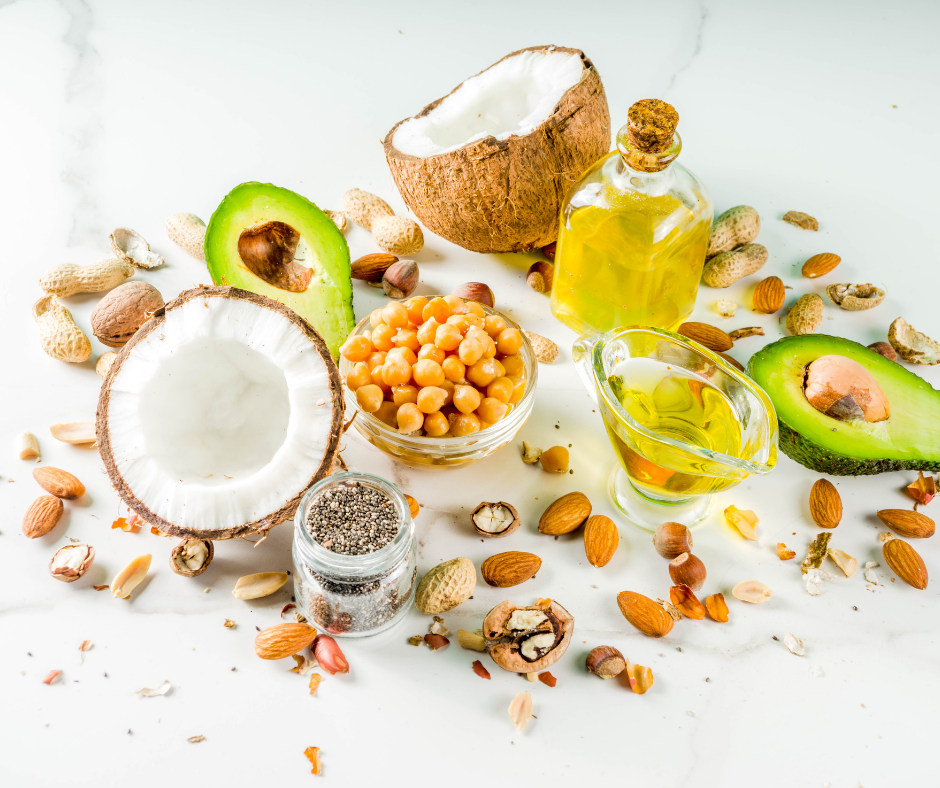
So, what precisely are they? Organic extra virgin olive oil, organic avocado oil, walnut oil, almond oil, macadamia oil, unrefined sesame oil, tahini, flax oil, hemp oil, nuts and seeds, butter (from pastured grass-fed cows, goats, or sheep), avocado, olives, and other plant sources of fat, grass-fed ghee, organic humanely raised tallow, lard, duck fat, or chicken fat, coconut oil or MCT oil.
While Dr. Hyman's list contains a range of nutrient-dense fats that promote human development, Titgemeier encourages us to focus on plant-based fat sources such as olive oil, nuts, and seeds. "Additionally, while some of the saturated fats he mentions, such as coconut and MCT oil, might definitely assist improve heart health, they can also aggravate cholesterol indicators in certain people."
This brings us to the meat of the issue: What distinguishes these fats as the best?
Titgemeier is here to help us understand the distinctions between the best fat foods and those that should be consumed in moderation. Understanding the four basic kinds of fats (monounsaturated, polyunsaturated (omega-3s and omega-6s), saturated fats, and trans fats) is the first step.
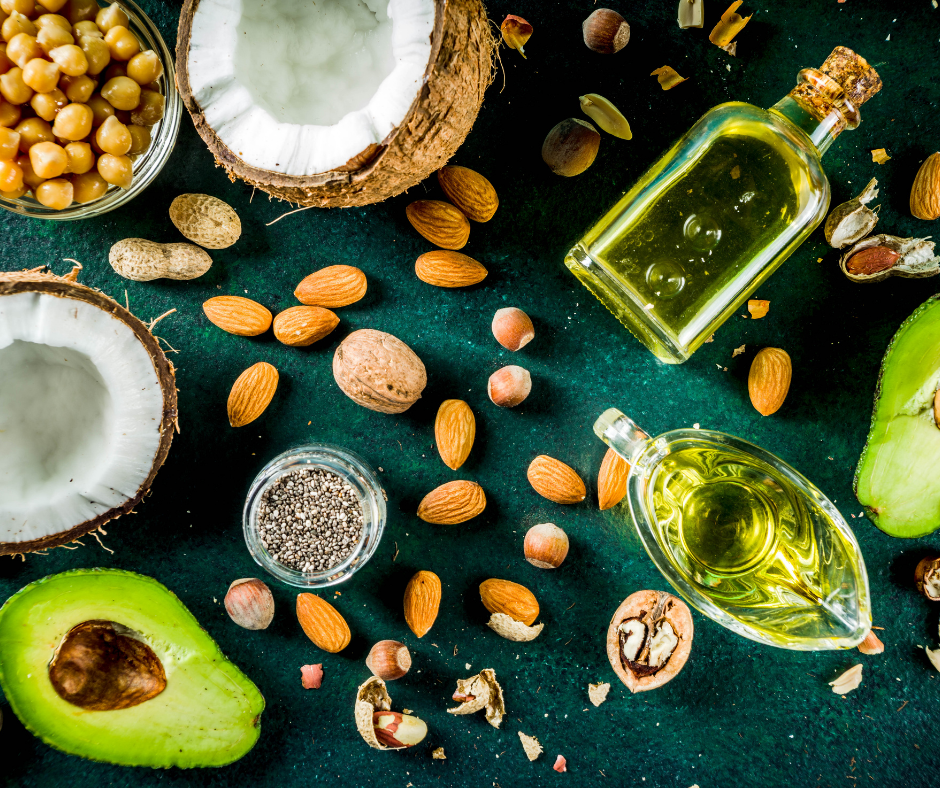
So, what are the best fat foods to eat and which should be avoided?
Fats that are good for you
Titgemeier suggests that you receive the bulk of your fats from monounsaturated fats and omega-3 polyunsaturated fats. These fats may be found in extra virgin olive oil, avocado and avocado oil, nuts (such as walnuts, macadamia nuts, and almonds), seeds (such as hemp seeds, chia seeds, or crushed flaxseeds), and wild-caught fatty fish such as wild salmon.
"Extra virgin olive oil is among the most healthy options, because it is high in oleic acid, a form of monounsaturated fat." "Titgemeier explains. "Eating nuts seven times a week has also been linked to a 20% lower risk of death." She then suggests eating omega-3-rich fish two to three times a week, such as wild salmon, sardines, oysters, anchovies, and herring.
"Omega-3 polyunsaturated fatty acids aid in the reduction of inflammation, the synthesis of anti-inflammatory molecules, and the prevention and treatment of inflammatory illnesses or disorders. "These include arthritis, joint discomfort, type 2 diabetes, cardiovascular illness, acid reflux, and other conditions," Titgemeier continues.
Less good types of fats
Saturated fats, in comparison to these 5 star fats, are less ideal , but not without disagreement. Red meat, full milk, cheese, coconut oil, and palm oil are the frequent sources.
"Some organizations, such as the American Heart Association, suggest substantially restricting saturated fats because they seem to raise levels of cholesterol in your blood, which could significantly raise risk of cardiovascular disease and stroke," says Titgemeier.
However, other study results have shown that saturated fats do not raise risk of heart disease. The general view is that it is determined by the individual and their DNA. Another study found that not all saturated fats are created equal, and that consuming a high saturated fat diet rich in processed foods has different consequences than consuming a high fat diet rich in natural sources.

Types of fat that should be avoided or consumed in moderation
Almost all doctors and nutritionists in all fields agree on the dangers of trans fats. According to Titgemeier, this is primarily due to the way trans fats raise “bad” LDL cholesterol while lowering “good” HDL cholesterol.
"Some people may want to cut down on processed vegetable and/or seed oils rich in omega-6 such as vegetable shortening, safflower oil, soybean oil, sunflower oil, peanut oil, corn oil, cottonseed oil, Grape Seed Oil and Rice Bran Oil,” Titgemeier advises.
These fats are commonly found in ready-to-eat and packaged foods, including 'healthy' gluten-free, dairy-free, or paleo options. A diet heavy in omega-6 fatty acids has been associated with an increased risk of heart disease and other inflammatory conditions such as arthritis, joint soreness, mental disorientation, and so on, as well as greater all-cause mortality.
An ideal method to fight this is to increase your consumption of meals rich in omega-3 fatty acids whenever possible, rather than just focusing on reducing omega-6. Try replacing safflower oil or vegetable shortening in dishes with olive oil, or nibble on nuts or avocado toast instead of jerky or packaged pastries. The taste of your food will not be affected, nor will your cardiovascular system.
By Ana C. / 21 Fev 2022

Ana C.


